Types of face masks and how to choose one
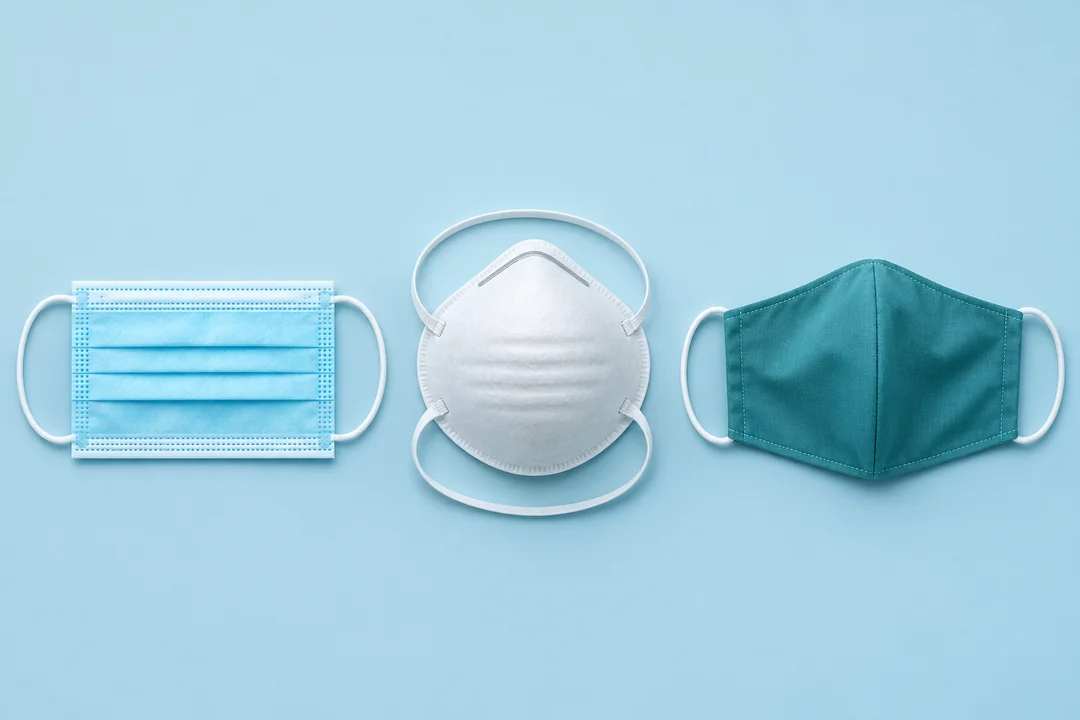
Masks do not all protect equally, so it pays to choose one that suits the job. These are the six types you will most often find.
Medical masks
Made from synthetic fabric or polypropylene. They filter germs entering the airways, stop a patient's germs from spreading to others, and block dust and pollen. Doctors favor them. Wear the blue or green side out, use once, and dispose of properly.
Disposable dust masks
They look like medical masks but protect less. With about three layers of synthetic fiber they filter dust and are inexpensive, but they do not directly protect against viruses. Replace daily and do not reuse.
Carbon masks
Similar to medical masks with an added carbon layer that filters unpleasant odors. About four synthetic layers filter bacteria and dust well. Single use.
N95 masks
Known for filtering PM2.5 haze, from fine to coarse dust, and they help protect against viruses, fungi and bacteria. They cost more than other types, and some have an exhalation valve to make breathing out easier. People with asthma or lung disease, and pregnant women, should ask a doctor first, as breathing through them can be harder.
Cloth masks
Popular when masks were scarce. They can be washed with disinfectant and reused, so they are economical. They block larger dust and droplets of mucus and saliva, but filter small germs poorly and do not fully protect against PM2.5.
Sponge masks
Washable, quick to dry and keep their shape when folded, but offer fairly low protection.
Choose a mask that matches the level of protection you need.
This article is general information. If you have a medical condition, ask your doctor.